
As an Academic Medicine and Leadership student in medical school, I have had various opportunities to display leadership and take on the challenge of planning a large conference.
Conferences are more than platforms for exchanging research and clinical advancements—they shape the future of healthcare by fostering collaboration, personal development, and leadership. This recent AML conference brought together some of the leading voices in academic medicine, each offering critical insights not only into the practice of medicine but on how to achieve financial fluency and balance personal growth through wellness.
Through thought-provoking sessions led by accomplished physician experts such as Dr. Gregory Yanik, MD, Dr. Jacob Matthew, DO, Dr. Jean Bouquet, DO, and Dr. Mark Wardle, DO, attendees explored ways to thrive in academic and clinical environments. This Stanza captures the core themes discussed across three pivotal sessions, shedding light on the vision behind the event and the key lessons shared with participants.
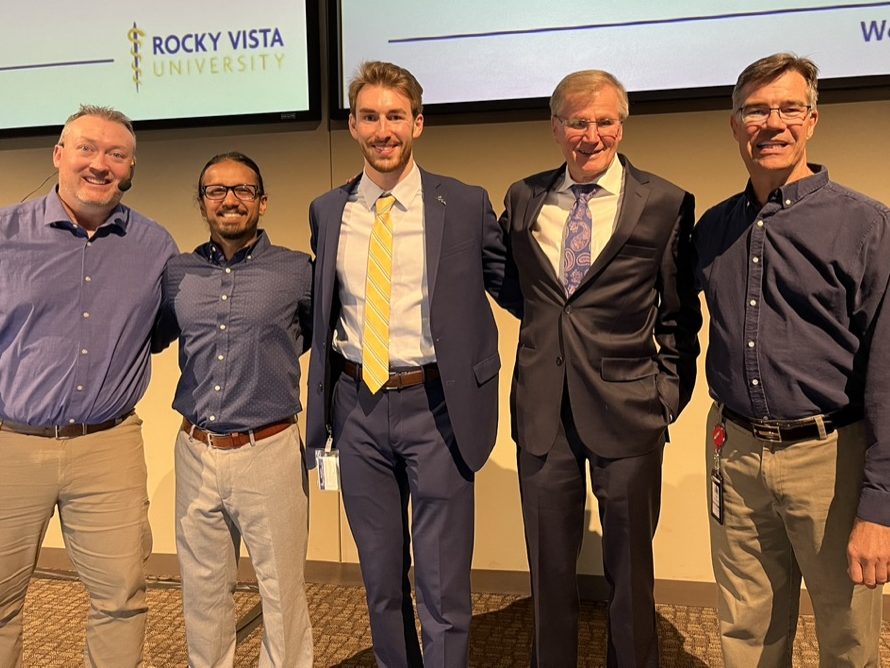
1. “The Practice of Academic Medicine: Lessons Learned” with Dr. Gregory Yanik, MD
⏰ 12:00 – 1:00 PM
Dr. Gregory Yanik, a Pediatric Hematologist/Oncologist and Director of Pediatric Blood and Marrow Transplant at the University of Michigan, opened the conference with an insightful session focused on the realities of practicing academic medicine. His talk was built on years of experience in a highly specialized field, offering lessons learned from working at the intersection of patient care, research, and medical education.
Key Themes:
- Balancing Clinical Work and Research: Dr. Yanik emphasized that academic medicine requires physicians to split their time between treating patients and contributing to research that drives future medical breakthroughs. He shared personal strategies for managing this dual responsibility effectively.
- Mentorship and Collaboration: The importance of mentorship was a key takeaway, with Dr. Yanik underscoring how collaborative environments foster both personal and professional growth. He urged participants to seek mentors early in their careers and to actively mentor others in return.
- Navigating Challenges: Dr. Yanik reflected on how academic physicians often encounter high demands, limited time, and administrative burdens. He encouraged attendees to adopt a problem-solving mindset and to embrace continuous learning to overcome these challenges.
Dr. Yanik’s session laid the foundation for the day by illustrating the complex yet rewarding path of academic medicine, inspiring participants to embrace the profession’s challenges with resilience and purpose.
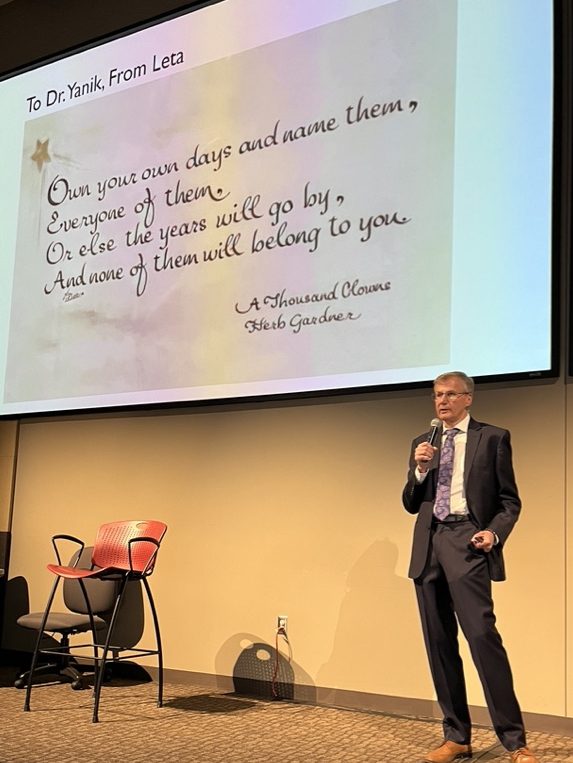
2. “Investing in Your Future: Building Long-Term Financial Stability” with Dr. Jacob Matthew, DO
⏰ 2:00 – 3:00 PM
After a lunch break, Dr. Jacob Matthew, DO, a Primary Care Internist specializing in telemedicine at the Salt Lake City VA, led an engaging session focused on financial literacy for healthcare professionals. Dr. Matthew emphasized that long-term financial stability is crucial for physicians to secure both professional fulfillment and personal well-being.
Key Takeaways:
- The Value of Early Investments: Dr. Matthew encouraged participants to begin planning for retirement early, leveraging tools like 401(k)s, Roth IRAs, and investments.
- Debt Management Strategies: With many attendees carrying significant student loan debt, Dr. Matthew provided practical advice on managing debt efficiently while maintaining a sustainable lifestyle.
- Financial Wellness as Self-Care: He emphasized that financial stress can undermine personal well-being, advocating for intentional financial planning to avoid burnout.
- Exploring Side Ventures: Dr. Matthew also discussed the potential benefits of engaging in side ventures such as consulting, teaching, or entrepreneurship, which can diversify income streams and enhance career satisfaction.
This session reminded participants that financial literacy and planning are essential for achieving long-term security and peace of mind in a demanding profession.
3. “Strategies for Healthcare Leaders: Balancing Self-Care and Mitigating Burnout” with Dr. Jean Bouquet, DO, and Dr. Mark Wardle, DO
⏰ 3:00 – 5:00 PM
The conference closed with an interactive workshop led by Dr. Jean Bouquet, DO, the CEO and President of Cure Cervical Cancer, Inc., and Dr. Mark Wardle, DO, Chair of Special Tracks and Programs at Rocky Vista University. This workshop focused on the growing crisis of burnout among healthcare leaders and practical strategies to promote self-care and well-being.
Workshop Highlights:
- Burnout and Its Impact on Leadership: Dr. Bouquet and Dr. Wardle discussed how burnout not only affects individual physicians but also impacts their ability to lead effectively and make sound decisions.
- Practical Self-Care Strategies: They introduced actionable self-care practices, including mindfulness exercises, time management tools, and physical wellness routines tailored to healthcare professionals.
- Creating a Culture of Wellness: The facilitators emphasized the importance of fostering a culture of well-being within organizations. Leaders were encouraged to set the tone by prioritizing mental health and work-life balance for their teams.
- Peer Support and Collaboration: Attendees engaged in a panel Q&A format with Dr. Wardle and Dr. Bouquet, alongside Karen Robinson, Director of Mental Health and Wellness Services at RVU, sharing their personal experiences with burnout and offering advice on maintaining well-being in leadership roles.
This workshop served as both a practical guide and a support network for healthcare leaders seeking to thrive while navigating the pressures of the profession.
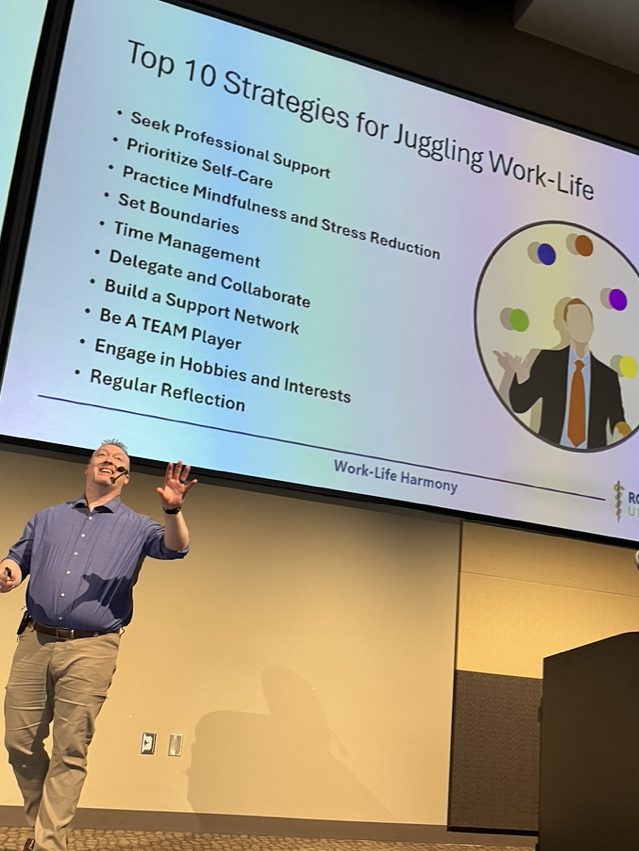
The Future of Academic Medicine—A Holistic Approach to Success
This conference exemplified the evolving vision behind academic medicine: one that prioritizes not only clinical excellence and research but also personal well-being and financial literacy. Each session offered attendees essential tools to succeed in their professional journeys while maintaining a healthy work-life balance.
- Dr. Yanik’s insights provided a blueprint for navigating the complexities of academic medicine with resilience.
- Dr. Matthew’s session emphasized the importance of financial planning to ensure long-term stability and fulfillment.
- Dr. Bouquet and Dr. Wardle’s workshop addressed the critical issue of burnout, equipping healthcare leaders with strategies to foster sustainable well-being.
Together, these sessions reflected a holistic vision of what it means to thrive in academic medicine—not just as physicians or researchers but as individuals balancing professional growth, financial security, and personal well-being. The conference left participants with a renewed sense of purpose and actionable insights, preparing them to lead with resilience and compassion in an ever-evolving healthcare landscape.
This inspiring event demonstrated that academic medicine is more than a career—it’s a lifelong journey of learning, leadership, and growth. Conferences like these play a crucial role in shaping the next generation of healthcare professionals, offering them the tools to excel both inside and outside the clinic.

 SOL: Stanzas of Life
Leave a Comment